Presentation for SAUK Regarding Brace Types
Recently our very own Andrew Mills delivered a presentation for SAUK at The Northern General Hospital in Sheffield. The presentation focussed on Scoliosis bracing methods and treatments, focussing on the benefits of SpineCor when compared to other bracing methods or scoliosis treatments.
How do Scoliosis Braces Work?
Braces work in a range of ways; the three main ones are below:
- Reduces the progression of skeletal (vertebral) deformities.
All brace types can be used when dealing with skeletal deformities. They help by improving spinal alignment, by indirectly changing body posture, regardless of the scoliosis cause. - Prevents the development of secondary neuro-muscular
- Reduces the worsening of existing neuro-muscular
For both of these points, the only effective brace treatment would be dynamic bracing. This allows postural re-education, this is the active self-correction your body does whilst wearing the brace, helping to re-align to the ‘correct’ posture by making yourself stand up straighter. Dynamic braces also help with neuro-muscular integration and neurophysiological stimulation.
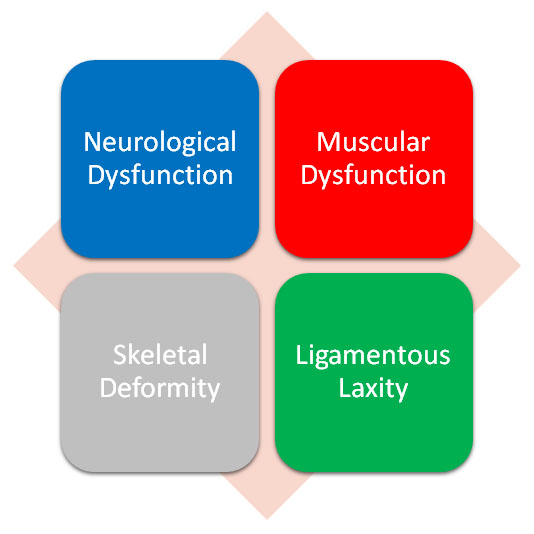
Spinal curves are usually caused by neurological dysfunctions, muscular dysfunctions, skeletal deformities, and ligamentous laxities.
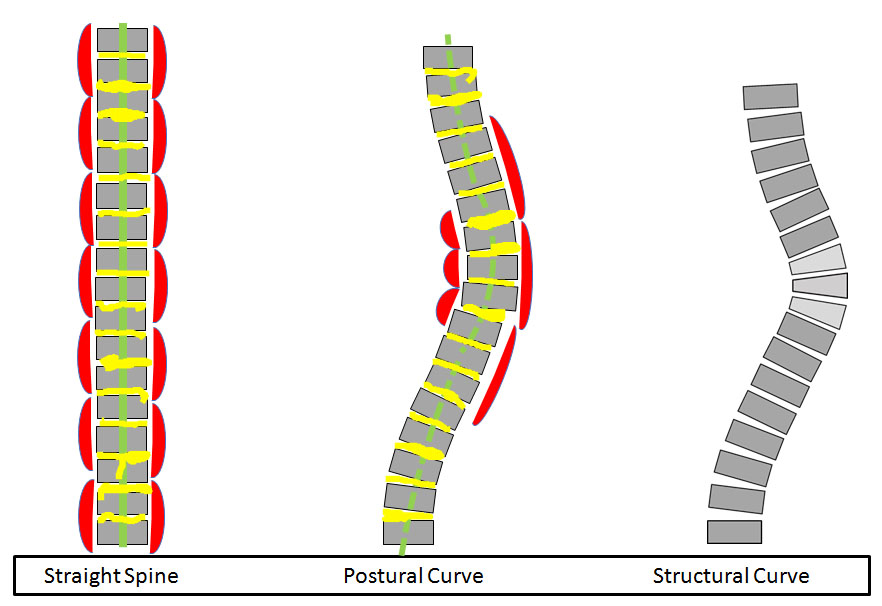
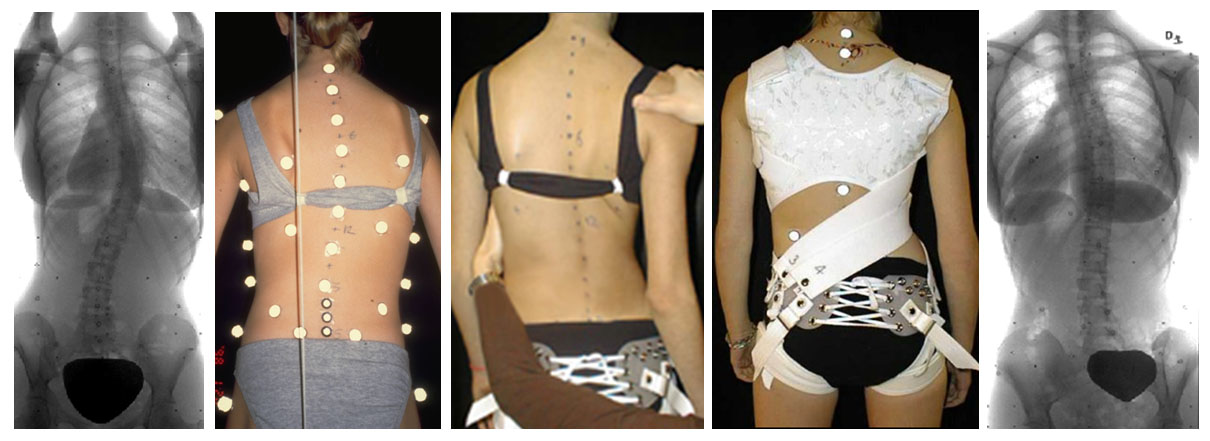
Postural Correction & Postural Over-Correction
The correlation between postural correction and improvement in spinal alignment significantly depends on the flexibility of each patient.
Sometimes postural over-correction is needed to train the body out of naturally leaning in one direction, and helping to focus the neurological and muscular areas of the spine to train in pulling the other way.
The SpineCorporation Limited
Millennium House | Peak Business Park
Foxwood Road | Chesterfield | S41 9RF

The SpineCorporation Limited
Millennium House | Peak Business Park
Foxwood Road | Chesterfield | S41 9RF